


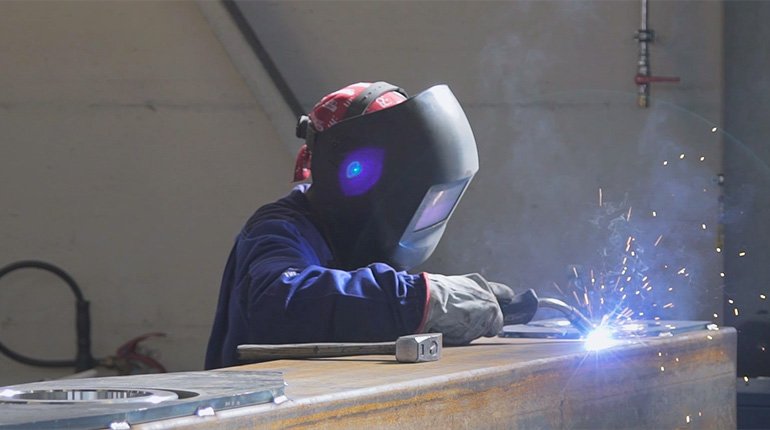
Welding Safety Tips: A Beginner's Guide
Welding safety is one of the key factors in every high-quality and responsibly executed welding process. Manual welding involves working with extremely high temperatures, electric current, intense radiation and the release of gases and particles that can be hazardous to health. Even minor carelessness or inadequate protection can lead to injuries, burns or long-term health problems.
For this reason, safety during welding must always come first – whether welding is performed occasionally or as part of daily professional work. Proper training, suitable protective equipment, a safe working environment and strict adherence to procedures are the foundations without which welding must not be carried out.
Training as the Foundation of Safe Welding
Every welder must possess appropriate knowledge and pass a qualification test that confirms their ability to safely perform a specific welding process. There are several types of welding certifications, adapted to different welding techniques and materials encountered in practice.
Qualification testing is generally carried out in accordance with applicable standards such as SIST EN ISO 9606, which defines the requirements for welder qualification. The certificate is tied to a specific welding process, material and welding position, meaning the welder may only perform work for which they are properly qualified.
By obtaining a certification, a welder takes the first and very important step toward welding safety. During training, the welder learns:
- correct welding procedures and proper handling of equipment,
- the use and maintenance of personal protective equipment,
- how to identify hazards in the workplace,
- appropriate actions in emergency or hazardous situations.
Regular refresher training and periodic renewal of qualifications are equally important, as technologies, materials and safety standards continue to evolve.
Skin Protection – The Basis of Personal Safety
During manual welding, sparks, molten metal and extremely high temperatures pose a constant risk to the welder’s skin. Even brief contact with hot particles or inadequately protected materials can cause burns, injuries or long-term health consequences. That is why proper skin protection is one of the most important elements of welding safety.
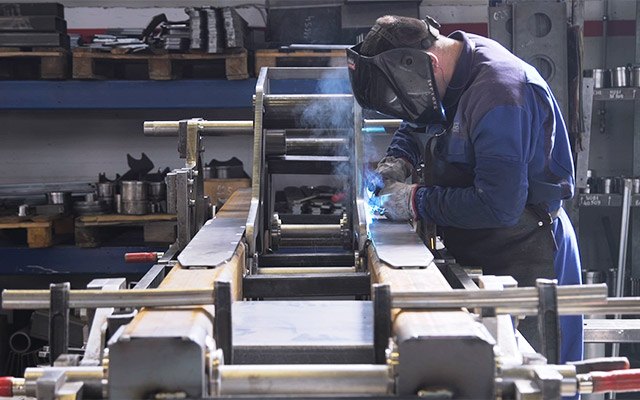
When working, the welder must wear appropriate protective clothing that effectively shields the skin from sparks and heat. This includes flame-resistant welding trousers and jackets, protective gloves and safety footwear with a heat-resistant and stable sole. Clothing must fit properly and have no open areas through which glowing particles could penetrate.
Most importantly, protective equipment must be made of fire-resistant materials such as leather or specially treated flame-retardant cotton. Only high-quality, correctly selected equipment ensures comprehensive safety during welding and reliable protection of the skin from heat, sparks and molten metal.
Face and Eye Protection
Special attention must be given to face and eye protection, as vision injuries are among the most serious consequences of improper welding. Glowing molten particles are unpredictable and can cause severe injuries in a fraction of a second, which is why protection of this area must be uncompromising.
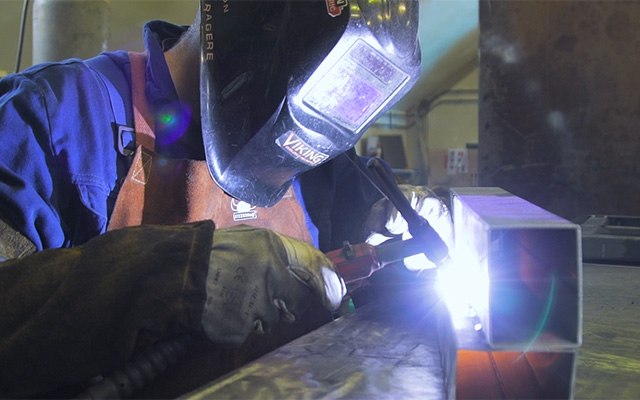
In addition to mechanical hazards, welding also produces intense UV and IR radiation, which can seriously damage the eyes even after short exposure. For this reason, the use of welding safety glasses or a welding helmet with an appropriately shaded lens and UV filter is mandatory to prevent harmful effects on vision.
A welding helmet provides comprehensive protection for the eyes, face and neck and represents an essential part of welding safety. Only properly selected and correctly used protective equipment enables safe work and long-term preservation of eyesight.
Protection of Co-Workers and the Surroundings
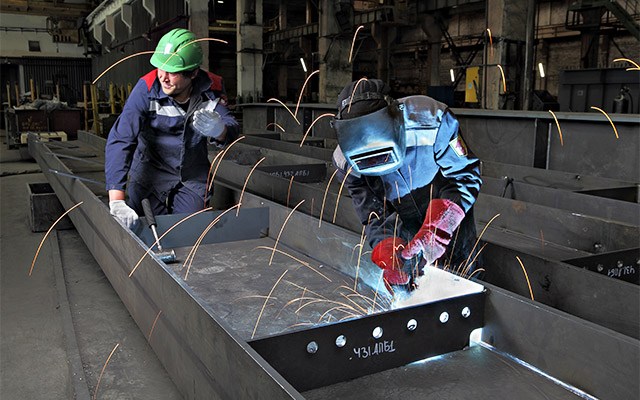
During welding, work is often not performed by the welder alone, but also by co-workers who assist with positioning, holding or preparing materials. It is therefore equally important to ensure their safety. Co-workers are exposed to the same hazards as the welder, such as sparks, hot particles and radiation, and must be adequately protected as well.
Co-workers must also wear flame-resistant protective clothing, appropriate safety footwear and ensure proper eye protection. A common mistake is underestimating the risks associated with auxiliary tasks; however, even brief exposure to the welding process without protection can cause injuries. Consistent use of protective equipment is therefore crucial for welding safety for everyone involved.
If other workers are present nearby who are not directly involved in the welding process, additional safety measures must be implemented. These include flame-resistant protective curtains or movable welding screens that prevent the spread of sparks and radiation into the surrounding area. This ensures comprehensive welding safety and reduces the risk of accidents in the workplace.
Toxic Gases and Electrical Safety
During welding, gases and fumes are generated that can be harmful to health, especially in enclosed or poorly ventilated spaces. Prolonged or repeated exposure may cause respiratory irritation, headaches or more serious health problems. Therefore, adequate workshop ventilation is one of the basic requirements for welding safety, while more demanding processes also require local exhaust ventilation.
In addition to gas-related hazards, attention must also be paid to fire safety in the work environment. Flammable materials must not be present in the immediate vicinity of welding operations, and oils and greases that could ignite when exposed to sparks or heat must be removed. A clean and organized workspace significantly reduces the risk of fires and other accidents.
An important aspect of safety during welding is also careful handling of electric current. Before starting work, the condition of cables, plugs and the welding machine must be checked, as damaged equipment can pose a serious hazard. When changing electrodes, protective gloves must be dry and the equipment must always be handled only by insulated parts.
A Reliable Partner for Flawless Welding
Welding safety and high-quality workmanship are inseparably linked. Only with properly trained welders, correctly selected processes and consistent compliance with applicable standards is it possible to achieve reliable and durable welded joints. For this reason, choosing an experienced and certified contractor is essential for a flawless final result.
At Kovinc d.o.o., we perform welding of various materials, including aluminum, steel and stainless steel. We combine technical expertise, modern equipment and precisely selected processes tailored to the requirements of each individual project.
Our services include:
- manual welding (MIG, MAG, TIG),
- spot welding,
- robotic welding using a modern welding robot Yaskawa Motoman AR2010.
For all procedures, we strictly comply with the requirements of the ISO 3834-2 certification, which confirms that our welding processes are organized, monitored and carried out in accordance with international quality standards.
If you are looking for a reliable welding partner, we invite you to send us an inquiry. We will be happy to advise you and prepare a solution tailored to your needs.